
In today’s fast-paced, technology-driven world, efficiency and accuracy are paramount in business operations. One area where this is increasingly evident is in employee attendance management. Traditional methods like punch cards and paper registers are no longer sufficient in the modern workplace, where speed, security, and accuracy are essential. Enter biometric attendance systems—a revolutionary technology that is changing the way businesses track and manage employee attendance.
Biometric attendance systems use unique physical or behavioral characteristics, such as fingerprints, facial recognition, or iris patterns, to verify the identity of individuals. These systems are proving to be a game-changer for businesses, offering improved security, reduced fraud, and streamlined administrative processes. In this blog post, we’ll explore how biometric attendance systems work, their benefits, and why they are becoming an indispensable tool in the modern workplace.
1. How Do Biometric Attendance Systems Work?
At their core, biometric attendance systems are designed to match the physiological or behavioral characteristics of an employee with a pre-stored template in the system. The technology relies on sensors to capture these characteristics, which are then converted into digital data for comparison.
Fingerprint Recognition
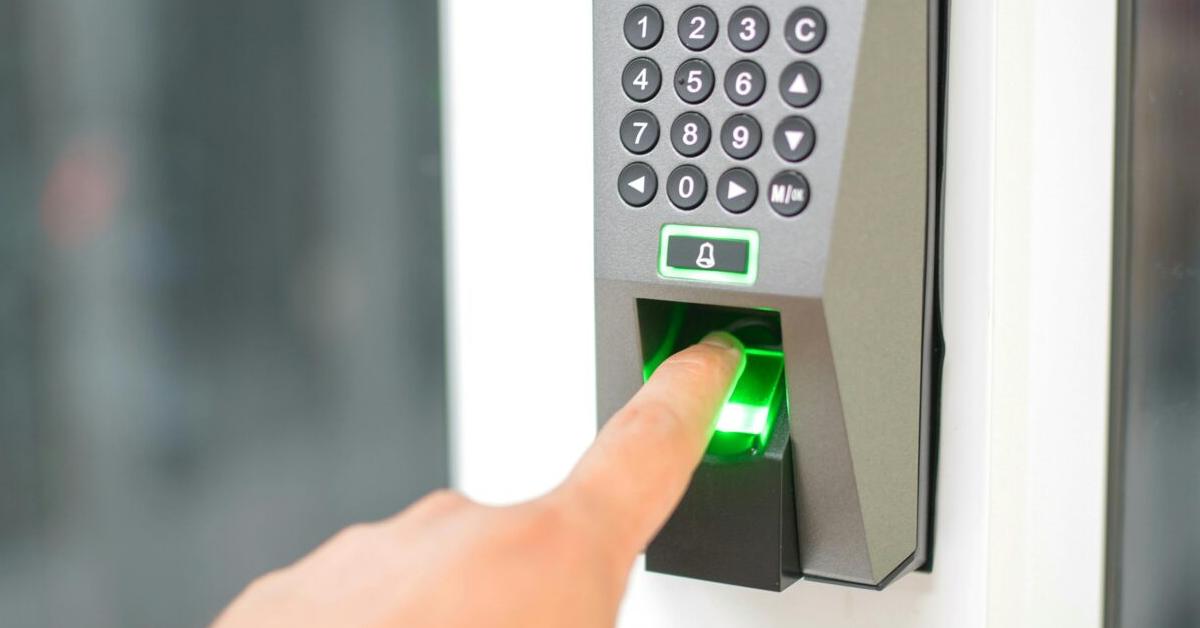
Fingerprint recognition is one of the most common forms of biometric authentication. A scanner captures the unique ridges and patterns of an employee’s fingerprint. This data is then compared to the fingerprint template stored in the system’s database. Since no two individuals have the same fingerprint patterns, this method is highly accurate and secure.
Facial Recognition
Facial recognition technology is gaining traction as a contactless solution for biometric attendance systems. Using a camera, the system captures a detailed image of an employee’s face. The system then compares the captured image with a database of stored facial templates, allowing for quick and accurate identification. The advantage of facial recognition is that it doesn’t require physical contact, making it ideal for workplaces that prioritize hygiene or where contactless solutions are preferred.
Iris and Retina Scanning
Iris and retina scanning are among the most secure biometric authentication methods. These systems capture the unique patterns of the iris or retina and store them for future comparisons. While this method is highly accurate, it is generally more expensive and less commonly used in workplace attendance systems compared to fingerprint or facial recognition.
Voice Recognition
Voice recognition technology is another biometric option that’s beginning to gain traction. By analyzing the unique characteristics of an individual’s voice—such as tone, pitch, and cadence—these systems can authenticate employees remotely or in environments where other biometric methods might not be feasible. This option is still developing but holds promise, especially in hybrid or remote work environments.
2. Benefits of Biometric Attendance Systems
Biometric attendance systems offer a variety of benefits to businesses, including enhanced security, increased efficiency, and reduced operational costs. Let’s dive into some of the key advantages:
1. Enhanced Accuracy and Reliability
Traditional attendance methods, like punch cards or manual entry, are prone to errors and human manipulation. Employees can forget to sign in or out, or worse, someone might falsify their attendance records. Biometric systems eliminate these issues by providing a highly accurate method of tracking attendance. With features like fingerprint or facial recognition, these systems ensure that only the registered employee can log in or out, reducing the chances of buddy punching (when an employee punches in or out for a colleague).
2. Increased Security
Biometric attendance systems offer superior security compared to traditional systems. Since biometric data is unique to each individual, it’s extremely difficult (if not impossible) for unauthorized individuals to gain access to the system. This adds an extra layer of security for businesses, particularly in sensitive environments like financial institutions, research facilities, or government agencies.
Furthermore, the data captured by biometric systems is typically encrypted, adding a layer of protection against cyber threats. Unlike traditional systems, where attendance data could be easily manipulated or forged, biometric systems ensure that the records remain tamper-proof.
3. Reduced Time Theft and Fraud
Time theft—when employees manipulate the clock to get paid for more hours than they actually worked—is a significant problem in many workplaces. Biometric systems help reduce this issue by ensuring that only the registered employee can log attendance. This removes the possibility of employees falsifying their time records by punching in for a colleague or using a proxy to log their attendance.
Moreover, since biometric data is hard to replicate, it significantly reduces the likelihood of fraud. Even in large organizations with hundreds or thousands of employees, biometric systems offer a high level of accuracy and consistency in tracking attendance.
4. Cost Savings and Operational Efficiency
While the initial investment in biometric attendance systems can be higher than traditional methods, they offer significant long-term savings. Biometric systems reduce administrative costs by automating attendance tracking, eliminating the need for manual data entry and paperwork. HR teams can spend less time on attendance verification and more time focusing on other critical tasks.
Additionally, biometric systems help businesses avoid the costs associated with time theft and inaccuracies in payroll. Since attendance data is more reliable, companies can ensure that employees are paid accurately for the time they’ve worked, leading to fewer payroll disputes and more efficient compensation processes.
5. Streamlined Reporting and Analytics
Many modern biometric attendance systems come with built-in reporting and analytics features that help businesses gain deeper insights into employee attendance patterns. HR teams can easily track tardiness, absenteeism, and overtime trends. These insights help managers make data-driven decisions regarding staffing, employee performance, and resource allocation.
Moreover, automated reports can be generated on-demand, reducing the time spent manually compiling data. This streamlined approach makes it easier for managers to ensure compliance with labor laws, monitor employee productivity, and implement policies that support better time management.
6. Contactless and Hygienic Solutions
In light of the global pandemic, businesses have become increasingly concerned with hygiene and reducing physical contact in the workplace. Biometric attendance systems, particularly those that use facial recognition or voice recognition, offer a contactless solution to attendance tracking. Employees don’t need to physically touch the device, reducing the spread of germs and enhancing workplace safety.
3. Challenges and Considerations for Implementing Biometric Attendance Systems
While biometric attendance systems offer numerous benefits, businesses should also be aware of some potential challenges and considerations when adopting this technology:
1. Privacy Concerns
Since biometric data is highly personal and unique to each individual, businesses must take extra precautions to protect employee privacy. Employers should ensure that biometric data is stored securely and encrypted to prevent unauthorized access. It’s also essential to comply with data protection regulations, such as the GDPR (General Data Protection Regulation), which governs the use of personal data in the European Union.
2. Initial Cost and Setup
Although biometric attendance systems can save money in the long run, the initial cost of purchasing and setting up the system can be significant. The cost will vary depending on the technology (fingerprint scanners, facial recognition cameras, etc.), the size of the workforce, and the complexity of the system. However, businesses should view this as an investment in the long-term efficiency and security of their operations.
3. Resistance to Change
Some employees may initially resist the transition to biometric systems, particularly if they are not familiar with the technology or feel uncomfortable with the idea of their biometric data being stored. It’s important for businesses to communicate the benefits of the system clearly and reassure employees that their data will be kept secure and used only for legitimate purposes. Providing training and addressing concerns about privacy can help ease the transition.
4. System Downtime and Reliability
Like any technology, biometric systems can experience glitches or downtime due to hardware malfunctions or software errors. It’s important to have a backup plan in place for situations where the system is temporarily unavailable, such as manual attendance tracking, to ensure that operations continue smoothly without disruption.
4. The Future of Biometric Attendance Systems
As biometric technology continues to evolve, the future of attendance systems looks promising. With advancements in artificial intelligence, machine learning, and sensor technology, we can expect even more sophisticated and accurate biometric systems that are capable of identifying employees in real-time with greater precision.
Additionally, the integration of biometric systems with other workplace technologies—such as access control systems, payroll software, and time management tools—will create more seamless, automated, and efficient business operations. The rise of cloud-based biometric attendance systems will also enable businesses to access real-time data from anywhere, making remote monitoring and management easier than ever before.
Conclusion
Biometric attendance systems are transforming how businesses manage employee attendance, offering enhanced security, improved accuracy, and reduced fraud. By leveraging cutting-edge technologies like fingerprint recognition, facial recognition, and voice authentication, companies can streamline their attendance processes while ensuring that only authorized individuals gain access to sensitive areas or systems.
Despite some challenges, including privacy concerns and initial costs, the benefits of biometric attendance systems make them a valuable investment for businesses of all sizes. As the technology continues to advance, we can expect these systems to become even more sophisticated, paving the way for smarter, more efficient workplace management.