
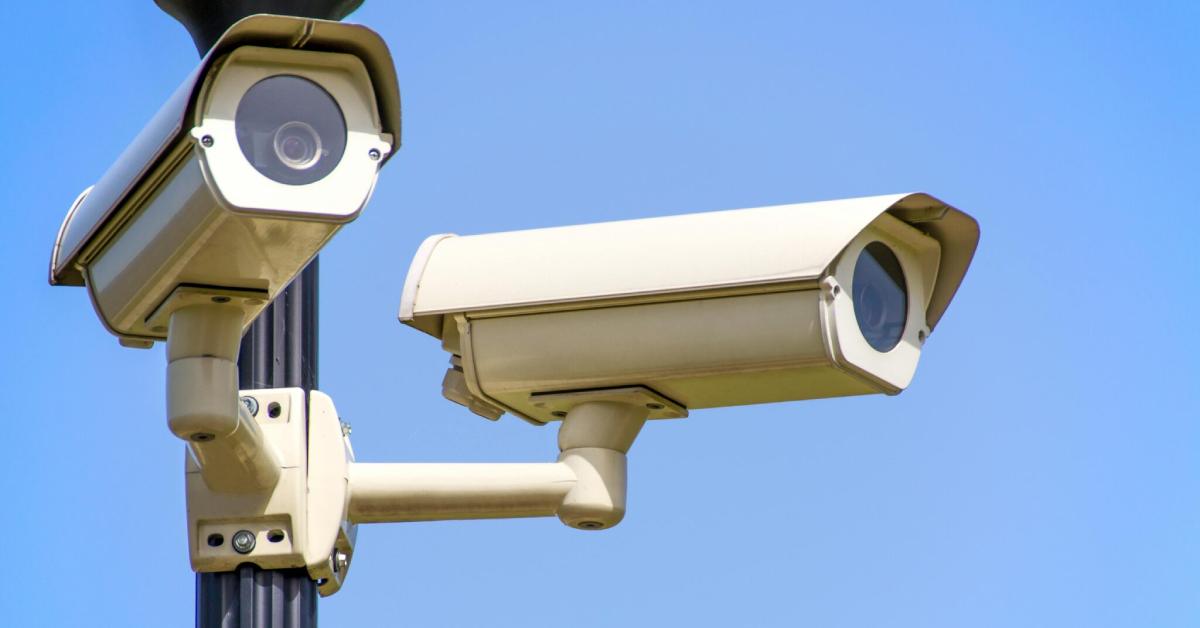
Closed-circuit television (CCTV) cameras have long been a cornerstone of security systems, providing surveillance to protect homes, businesses, and public spaces. However, the CCTV industry is rapidly evolving, fueled by advancements in technology that promise to reshape how we think about security.
From AI-powered analytics to cloud-based storage solutions, the future of CCTV cameras is more intelligent, connected, and user-friendly than ever before. In this blog post, we’ll explore the cutting-edge innovations and trends that are set to transform the CCTV landscape and redefine how we monitor, record, and respond to security threats.
1. AI and Machine Learning: Smarter Security with Video Analytics
Artificial intelligence (AI) and machine learning are two of the most exciting developments in the world of CCTV cameras. These technologies allow cameras to do much more than simply capture footage. They can analyze video feeds in real-time, detect unusual behavior, and even make decisions without human intervention.
Facial Recognition Technology
One of the most notable AI advancements in CCTV cameras is facial recognition. This technology uses deep learning algorithms to identify individuals based on facial features. It’s particularly useful in high-security environments like airports, government buildings, and commercial establishments.
In the future, we can expect facial recognition to become even more accurate and widespread. With the rise of cloud-based CCTV systems, facial recognition data could be stored and analyzed across multiple cameras and locations in real-time. This means that not only will security personnel be alerted when a known intruder is detected, but the system could also proactively send alerts if a person of interest appears in the area.
Behavioral Analysis and Threat Detection
Beyond facial recognition, AI-powered CCTV cameras are becoming capable of behavioral analysis. This allows cameras to identify suspicious activity, such as loitering, aggressive behavior, or people moving in restricted areas. The system can be trained to distinguish between normal activities and anomalies, sending alerts to security personnel only when necessary.
For example, in a retail environment, AI-powered cameras can monitor foot traffic and notify staff if an unusually high number of people are congregating in one area, potentially indicating a theft or crowd control issue. This type of smart detection will reduce false alarms and improve response times.
2. Cloud Storage and Remote Access: Surveillance Anytime, Anywhere
Cloud-based CCTV systems are becoming increasingly popular as they offer several advantages over traditional local storage solutions. By using the cloud, users can access their footage remotely, without the need for bulky hardware or a physical recording device.
Instant Access to Footage
One of the primary benefits of cloud storage for CCTV cameras is the ability to access footage from anywhere, at any time. Security personnel, business owners, or homeowners can log in to their cloud account via smartphones, tablets, or computers to view live streams or review recorded footage. This feature is especially valuable for businesses with multiple locations, as it allows them to monitor all cameras from one central dashboard.
Automatic Backups and Scalability
Cloud storage ensures that footage is automatically backed up, reducing the risk of losing valuable security data due to hardware failure. This means you don’t need to worry about running out of storage space or replacing hard drives. Cloud-based systems are also highly scalable, allowing you to easily add additional cameras or storage capacity as your security needs grow.
Data Encryption and Privacy
As cloud technology advances, so do the security protocols surrounding it. Leading cloud-based CCTV systems employ robust encryption methods to protect your footage from cyber threats. This ensures that your sensitive data, whether it’s personal footage or business security footage, remains safe from hackers or unauthorized access.
3. 4K and Ultra HD Cameras: Crystal-Clear Resolution for Enhanced Detail
Gone are the days of grainy footage that leaves you squinting to identify a face or license plate. The next generation of CCTV cameras is all about ultra-high-definition (UHD) video, with 4K resolution becoming increasingly common.
Sharper Images and Greater Detail
4K CCTV cameras provide incredibly detailed footage, allowing you to zoom in on specific areas without losing clarity. This is particularly useful in large-scale surveillance scenarios, such as city-wide security or surveillance in public spaces. With 4K resolution, license plates, facial features, and other important details are much easier to capture and analyze.
In addition, higher resolution cameras improve the effectiveness of AI-based video analytics, as more pixels mean that algorithms can analyze a wider range of visual information. For example, a 4K camera might be able to identify a person’s clothing, height, or posture, all of which are critical pieces of data for behavior analysis.
Low Light Performance
4K cameras aren’t just about resolution—they also come with enhanced low-light performance. With technologies like infrared (IR) and Starlight sensors, these cameras can deliver clear footage even in dimly lit environments. Whether it’s a night-time street corner or a dark warehouse, 4K cameras ensure that you won’t miss any important details, regardless of the lighting conditions.
4. Wireless and Battery-Powered Cameras: Flexibility and Easy Installation
One of the biggest hurdles to setting up a traditional CCTV system has always been the complexity of wiring. With advances in wireless and battery-powered camera technology, it’s now easier than ever to install and relocate cameras without the hassle of running cables.
Easy Installation and Mobility
Wireless CCTV cameras connect to your network via Wi-Fi, meaning you can place them anywhere within the range of your signal. This provides significant flexibility when designing your security system. If you’re monitoring a construction site, for example, you can quickly move your cameras around as the project evolves. Similarly, in rental properties, wireless cameras can be easily installed without the need for drilling holes or running wires.
Battery-powered CCTV cameras take this a step further by eliminating the need for any power cords. These cameras are powered by rechargeable batteries that can last several months, depending on usage. This makes them an excellent choice for temporary installations or remote areas where access to electrical outlets is limited.
Hybrid Systems
Hybrid CCTV systems combine the best of both worlds by offering a combination of wired and wireless cameras. This flexibility allows users to choose the most suitable setup for their needs, whether they require the stability of wired connections for high-traffic areas or the convenience of wireless cameras for more remote locations.
5. Integration with Smart Home Devices: A Seamless Experience
As smart homes become more widespread, the demand for CCTV systems that integrate with other smart devices is growing. The future of CCTV cameras will include seamless integration with home automation systems, allowing users to control everything from one central platform.
Voice-Controlled Security
With voice assistants like Amazon Alexa, Google Assistant, and Apple Siri becoming more commonplace, future CCTV systems will likely offer voice control. This means you can easily ask your voice assistant to show you live feeds from any camera or receive security alerts on your smart speaker or smart display. You can even arm or disarm your system using just your voice.
Automation and Notifications
Imagine a scenario where your CCTV system automatically starts recording the moment a motion sensor detects movement, and sends an alert to your phone. Integrated with other smart devices, the system could also activate smart lights to deter intruders or lock doors automatically. This level of automation makes security systems more proactive and reduces the need for constant monitoring.
Smart Detection and Response
In the future, CCTV cameras will likely work in conjunction with other smart home devices, such as smart locks, alarm systems, and environmental sensors. For example, if a camera detects unauthorized movement, it could trigger an alarm or lock the door to prevent further intrusion. Integration with smartphones or smartwatches means you’ll be instantly notified of any issues and can take action on the go.
6. Sustainability: Eco-Friendly CCTV Solutions
As environmental concerns become more important, the CCTV industry is beginning to embrace sustainability. Future CCTV systems are expected to be more energy-efficient and built using eco-friendly materials.
Energy-Efficient Cameras
Advances in camera technology, such as low-power chips and improved power management, are helping reduce the energy consumption of CCTV systems. Solar-powered CCTV cameras, which rely on solar panels to recharge batteries, are an example of how the industry is moving toward more sustainable solutions.
Recycled Materials
Manufacturers are increasingly focusing on using recycled and eco-friendly materials in the construction of CCTV cameras and their accessories. By reducing waste and minimizing the carbon footprint of production, the industry is becoming more environmentally conscious.
Conclusion: Embracing the Future of CCTV Cameras
The future of CCTV cameras is bright, with groundbreaking innovations on the horizon that will revolutionize how we approach security. From AI-driven video analytics and facial recognition to the convenience of cloud storage and wireless installation, these advancements promise to make CCTV systems smarter, more efficient, and more accessible than ever before.
As technology continues to evolve, we can expect even more exciting features to emerge, giving users greater control, flexibility, and peace of mind. Whether you’re securing your home, business, or public spaces, the next generation of CCTV cameras will be smarter, safer, and more connected, ensuring that you stay one step ahead in protecting what matters most.